

Official and authoritative background links used for intake education.
Evidence-informed WTC / VCF review
WTC 9/11 VCF records and intake guidance
WTC and VCF-related reviews may involve proof of presence, responder or survivor status, covered condition documentation, and prior program or claim information.


WTC Lawsuit
World Trade Center toxic exposure lawsuits allow individuals harmed by hazardous dust and chemicals released after the 9/11 attacks to pursue compensation. These lawsuits hold negligent parties accountable for failing to protect first responders, workers, and residents from toxic exposure in Lower Manhattan.
Many people were told the air was “safe,” but later developed serious illnesses due to asbestos, jet fuel, heavy metals, and carcinogenic debris. If you lived, worked, studied, or participated in cleanup operations near Ground Zero between September 11, 2001 and May 2002, you may qualify to file a claim.
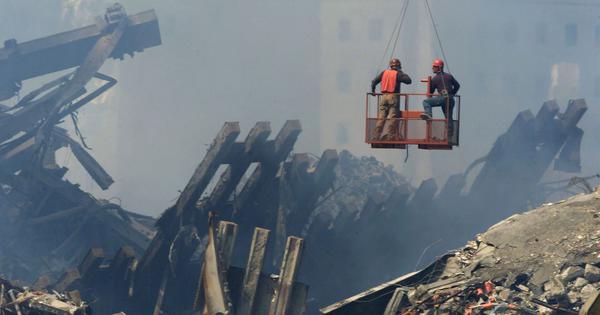
Lawsuits are available to first responders, cleanup workers, construction crews, office employees, local residents, students, teachers, and volunteers who were in the exposure zone and later developed toxic exposure–related illnesses.
Eligibility & Deadlines
There are strict deadlines based on when symptoms developed or when you learned your condition was linked to WTC exposure. If diagnosed with a related illness, act quickly to preserve your right to file.
You may qualify if you:
- Lived, worked, or attended school in Lower Manhattan after 9/11
- Participated in rescue, recovery, or cleanup operations
- Were exposed to dust, toxic smoke, debris, or fumes
- Later developed a related chronic illness or cancer
1. Exposure Zone & Time Period:
- a. Ground Zero and surrounding neighborhoods
- b. Buildings reopened after the attacks
- c. Recovery, cleanup, and debris removal areas
- i. First responders & firefighters
- ii. Police, EMTs, and National Guard
- iii. Construction & cleanup workers
- iv. Local residents & building workers
- v. Students & school staff
2. Qualifying Medical Conditions:
- a. Cancers caused by toxic exposure
- b. Respiratory and lung conditions
- c. Chronic sinus & airway diseases
- d. Serious digestive and aerodigestive disorders
- i. Must be linked to WTC exposure
- ii. Medical proof strengthens case
3. Potential Compensation:
- a. Medical expenses
- b. Lost wages & future earning loss
- c. Pain and suffering
- d. Wrongful death benefits for families
WTC Lawsuit FAQs
It is a legal claim for individuals exposed to toxic dust and chemicals near Ground Zero who later developed related illnesses.
Anyone who lived, worked, studied, or volunteered near Ground Zero and later developed a related illness may qualify.
Yes, proof of exposure and qualifying health conditions is needed.
Yes, there are strict deadlines, and missing them can prevent recovery, so you should file as soon as possible.
Private case review
WTC Lawsuit
Answer the questions below. Your submission is private and does not guarantee case acceptance.
Free to submitNo obligationConsent required before submission
Evidence-informed WTC / VCF review
Campaign guidance, records, and sources
Review the supporting information below before or after completing the private campaign form.
A practical checklist to help organize useful details before review.
Reviewed for intake accuracy by AMMS Compliance Team
Records and details that may help
- Proof of presence, responder records, employment records, or survivor-zone documentation
- WTC Health Program information, certified condition details, and diagnosis records
- Prior VCF claim status, registration information, or attorney history
- Timeline of exposure, symptoms, diagnosis, and treatment
Sources used for intake education
These official references are provided for background education only. They do not replace medical or legal advice.
- CDC WTC Health Program and VCF overviewOfficial CDC WTC Health Program information about the separate Victim Compensation Fund.
- CDC WTC Health Program / VCF comparison factsheetOfficial explanation of differences between the WTC Health Program and the VCF.
1. Submit the intake form
Share your contact details and answer the existing campaign-specific questions.
2. Organize supporting details
Gather the records, dates, communications, and other details listed for this campaign.
3. Intake follow-up
AMMS or an authorized intake partner may contact you for missing or clarifying details.
4. Legal review if appropriate
Qualified legal professionals decide whether a claim can move forward. AMMS does not provide legal advice or guarantee results.
Frequently asked questions
What is the difference between WTC Health Program information and VCF compensation?
They are separate programs. Intake reviewers may need to understand whether you have health-program enrollment, a certified condition, or prior VCF claim activity.
What proof of presence can help with a WTC review?
Employment records, responder records, union records, school records, residential records, witness statements, or other documentation may help establish presence.
Related AMMS resources
AMMS Legal Intake Research TeamReviewed for intake accuracy by AMMS Compliance TeamLast reviewed: 2026-05-15
Important: AMMS provides intake and educational information. We are not providing medical or legal advice on this page, and submitting a form does not create an attorney-client relationship. Case value, eligibility, filing deadlines, and legal strategy must be reviewed by qualified professionals.